Showing posts with label Ömer Hayyam. Show all posts

Wednesday, May 1, 2019

Ene ve Zerre Risalesi


Benliğin bir yüzünü peygamberler silsilesi, diğer yüzünü ise felsefe tutmuştur.

• Peygamberlerin yolu olan yüzü hâlis kulluğun kaynağıdır. Yani benlik, kendini kul bilir, başkasına hizmet ettiğini anlar. Mahiyeti Yaratıcısına, Sahibine işaret eder. Yani başkasının mânâsını taşıdığını bilir. Varlığı başka bir varlığa tâbidir. Yani başka bir Zât’ın varlığıyla ayakta durduğuna ve O’nun yaratmasıyla sabit olduğuna inanır. Sahipliği farazidir. 

• Benliğin ikinci yüzünü ise felsefe tutmuştur. Felsefe, benliğe mânâ-yı ismiyle, yani sadece kendisini bildiren yönüyle bakar. Onun yalnız kendi kendine işaret ettiğini söyler. Mânâsı kendindedir, kendi hesabına çalışır, diye hükmeder. Benliğin varlığını aslî ve zâtına ait görür. Yani bizzat kendinden bir varlığı olduğunu kabul eder. Bir hayat hakkı bulunduğu, tasarrufu dairesindekilerin hakiki sahibi olduğu gibi temelsiz iddialar öne sürer. Varlığını sabit bir hakikat zanneder. Vazifesini, kendine hayranlığından doğan, zâtına ait bir mükemmelleşme çabası sayar. İşte felsefeciler yollarını bunun gibi pek çok çürük esas üzerine kurmuşlardır.

**

Felsefe silsilesinin en mükemmel fertleri ve dâhileri olan Platon, Aristoteles, İbni Sina ve Farabî gibi filozoflar, “İnsanın asıl gayesi ‘teşebbüh-ü bil-vâcib’dir, yani Vâcibü’l-Vücud’a benzemektir.” deyip firavunca bir hükme varmışlar. Benliği kamçılayıp şirk derelerinde serbestçe koşturarak sebeplere, putlara, tabiata ve yıldızlara tapmaya kadar varan türlü şirk yollarında gidenlere meydan vermişler. İnsanın özünde bulunan acz ve zaaf, fakr ve ihtiyaç, noksanlık ve kusur kapılarını kapayıp kulluğun yoluna set çekmişler. Tabiata saplanmış, şirkten tamamen çıkamamış, şükrün geniş kapısını bulamamışlar.

Peygamberler ve takipçileri ise insanın gayesi, vazifesi ilahî ahlâk ve yüksek seciyelerle ahlâklanmak, aczini bilip Cenâb-ı Hakk’ın kudretine sığınmak, zayıflığını görüp O’nun kuvvetine dayanmak, fakrını görüp rahmetine güvenmek, ihtiyacını görüp O’nun zenginliğinden yardım dilemek, kusurunu görüp af kapısını çalarak istiğfar etmek ve noksanlığını görüp O’nun kemâl vasıflarını tesbih etmektir, diye kulluğa yakışır bir hükme varmışlar.

İşte dini tanımayan felsefe böyle yolunu şaşırdığı için benlik kendi dizginini eline almış, dalâletin her türlüsüne koşmuş. Benliğin bu yüzünde bir zakkum ağacı büyüyüp insanlık âleminin yarısından fazlasını kaplamış.


**


Felsefe yolunun çürük esasları ile peygamber yolunun dosdoğru, sarsılmaz esaslarından doğan neticelerin binlerce kıyaslamasından, örnek olarak üç-dört tanesini göstereceğiz.

• Mesela: Peygamberlerin rehberliğinde dinin, insanın şahsî hayatındaki neticelerinden olan “İlahî ahlâk ile ahlâklanıp Cenâb-ı Hakk’a, küçüklüğünüzün şuuru içinde yönelerek aczinizi, fakrınızı ve kusurunuzu biliniz, O’nun dergâhına kul olunuz.” düsturu nerede… Felsefenin, insanın asıl gayesinin Vâcibü'l-Vücûd Zât’a benzemek olduğunu iddia eden, kendini beğenmişçesine “Vâcibü'l-Vücûd’a benzemeye çalışınız.” diyen kaidesi nerede? Evet, insanın sınırsız acz, zaaf, fakr ve ihtiyaçla yoğrulmuş mahiyeti nerede; sonsuz kudret, kuvvet ve zenginlik sahibi, hiçbir şeye muhtaç olmayan Vâcibü'l-Vücûd nerede?..

**
İkinci Misal: Peygamberlerin bildirdiği düsturların toplum hayatındaki neticelerinden veyahut güneş ve aydan tut, bitkileri hayvanların imdadına, hayvanları insanın imdadına, hatta gıdalardaki zerreleri beden hücrelerinin imdadına koşturan yardımlaşma düsturu; cömertlik, ihsan ve ikram kanunu nerede... Felsefenin toplum hayatındaki düsturlarının neticesi olan ve yalnız bir kısım zalim, canavar insanların ve vahşi hayvanların fıtratlarını kötüye kullanmaları yüzünden ortaya çıkan mücadele kanunu nerede? Evet, felsefeciler mücadele kanununu o kadar esaslı ve geniş kabul etmişler ki, “Hayat bir mücadeledir.” diye ahmakça bir hükme varmışlar.

• Üçüncü Misal: Peygamberlerin yolunun Allah’ın birliği hakkındaki yüce neticelerinden ve kıymetli düsturlarından “Bir olan şey ancak bir’den meydana gelebilir. Madem her şeyde birlik var, demek eşya bir tek Zât’ın eseridir.” mânâsındaki tevhid düsturu nerede… Eski felsefenin inanca dair olan, “Bir’den ancak bir meydana gelir.” yani, “Bir zâttan, bizzat bir tek şey ortaya çıkabilir. Başka şeyler ise vasıtalar yoluyla ondan vücuda gelir.” diyen, sınırsız zenginlik ve mutlak kudret sahibi Cenâb-ı Hakk’ı aciz vasıtalara muhtaç göstererek bütün sebeplere ve vasıtalara O’nun rubûbiyetinde bir tür ortaklık veren, Hâlık-ı Zülcelâl’e “akl-ı evvel” diye bir sıfatı isnat edip âdeta O’nun mülkünü sebep ve vasıtalara bölüştürerek büyük bir şirke yol açan, inkâra ve dalâlete bulaşmış kanunu nerede? Felsefecilerin yüksek tabakası olan İşrâkiler böyle yaparsa, maddeciler ve tabiatçılar gibi aşağı tabakaların ne halt edeceklerini kıyaslayabilirsin…

**
Dördüncü Misal: Peygamber yolunun hikmetli düsturlarından sırrıyla: “Her şeyin, her canlının kendine ait neticesi ve hikmeti bir ise, Yaratıcısına ait neticeleri ve O’na bakan hikmetleri binlercedir. Her bir şeyin, mesela bir meyvenin, ağacın bütün meyveleri kadar hikmet ve neticeleri bulunur.” büyük hakikatini bildiren hikmet düsturu nerede… Felsefenin, “Her bir canlının mânâsı, neticesi sadece kendine bakar veyahut insanın menfaatleriyle ilgilidir.” diyen, dağ gibi koca bir ağaca hardal tanesi kadar bir meyve, bir netice takılması misali gayet mânâsız, gayesizlik içinde gördüğü hikmetsiz, aldatıcı düsturları nerede? 

İşte felsefenin şu çürük esasları ve vahim neticeleri yüzünden, İslam filozoflarından İbni Sina ve Farabî gibi dâhiler, görünüşteki şaşaasına aldanarak o yola girdiklerinden basit bir mümin derecesini ancak kazanabilmişlerdir. Hatta İmam Gazalî gibi bir “Hüccetü'l İslam” onlara bu dereceyi bile vermemiştir. Hem kelâm ilminin derin âlimlerinden olan Mutezile imamları, gösterişine aldanıp o yola ciddi temas ederek aklı hâkim kabul ettiklerinden ancak günahkâr ve bid’atçı birer mümin derecesine çıkabilmişlerdir. Müslüman ediplerin meşhurlarından, karamsarlığıyla bilinen Ebu’l Alâ el-Maarrî ve yetimane ağlayışıyla şöhret bulan Ömer Hayyam gibiler ise o yolun nefs-i emmareyi okşayan zevkine kapılmaları sebebiyle hakikat ve kemâl ehlince hor görülüp küfürle itham edilmiş, “Edepsizlik yapıyorsunuz, dinden çıkıyorsunuz, dinsizler yetiştiriyorsunuz.” diye men ve ikaz tokatları yemişlerdir.

**
Felsefecilerin yolunun çürük esaslarından biri de şudur: Benlik, zâtında hava gibi zayıf bir mahiyete sahip olduğu halde, kendine felsefenin uğursuz nazarıyla, mânâ-yı ismî yönüyle baktığı için âdeta buhar gibiyken yoğunlaşıp sıvı hale gelir, sonra da ülfet yüzünden ve maddiyatla meşgul olması sebebiyle sanki katılaşır. Ardından gaflet ve inkâr ile iyice donar. Sonra isyan ile bulanıp şeffaflığını kaybeder. Daha sonra o benlik gittikçe kalınlaşıp sahibini yutar. Bütün insanlığın fikirleriyle şişer. Ve nihayet başka insanları, hatta sebepleri kendisiyle kıyaslayıp onlara –kabul etmedikleri ve uzaklaştıkları halde– birer firavunluk verir. İşte o vakit, Hâlık-ı Zülcelâl’in emirlerine karşı isyan vaziyeti alır. Meydan okur gibi Kadîr-i Mutlak’ı acizlikle itham eder. Hatta Yüce Hâlık’ın vasıflarına karışır; işine gelmeyenleri ve nefs-i emmarenin firavunluğunun hoşuna gitmeyenleri ret, inkâr veyahut tahrif eder.

EK: ENE VE HİKMETİ

Saturday, November 11, 2017

After Mirzakhani


Complicating the global image of a nation

Much of the reactions to the death of Mirzakhani was both normal and predictable. The Iranian President Hassan Rouhani and the Stanford University President Marc Tessier-Lavigne both issued solemn statements of condolences. The Iranian media competed in showering her with accolades. The Iranian oppositional venues in the United States and Europe began to use and abuse the occasion to denounce the Islamic Republic for its various policies, especially for the conditions conducive to "brain drain".


Maryam Mirzakhani left Iran to pursue her advanced mathematical studies in the US. She would have gone to Baghdad to do so if she were born one thousand years ago - and she would have probably gone to Beijing if she were born just a couple of decades from now. The question of "brain drain" is, of course, a serious malady in Iran and many other similar countries. But Maryam Mirzakhani was no "brain drain". Hers was a superior intelligence and she travelled where she could nourish it best - and that travelling did not suddenly turn her into this strange thing called "Iran-born", instead of just plain "Iranian".


But something else, something quite simple and significant, was also happening, just like Maryam Mirzakhani herself, gently and quietly.


Mirzakhani is comparable to Omar Khayyam not just because they were both Iranian mathematicians. But because like Khayyam, Mirzakhani too complicates the vision of their common homelands in the European and now American imagination in unpredictable ways.


Markedly brilliant minds and beautiful souls like Maryam Mirzakhani both upon their global recognitions and perforce upon their early and tragic passing become a symbol, a sign, a citation far beyond who they are and what they have achieved in their professional calling. From the time that she achieved her coveted Fields Medal, Maryam Mirzakhani had begun to complicate the global image of her homeland against the backdrop of the pervasive demonisation of Iran by one brand of warmongering or another.


Nations need to be simplified to be targeted for military strikes. Afghanistan was reduced to Mullah Omar. Iraq was reduced to Saddam Hussein. The more the image of a nation is complicated the more difficult it is for warmongers in Washington, Tel Aviv, or Riyadh targeting it for destruction.


Precisely in the quiet dignity of her work, her avoiding publicity like a plague, the tiny, cancer-ravaged body of Maryam Mirzakhani shined like a beautiful star on the dark planet of her earthly life. An Iranian, a Muslim, a woman of modest middle-class background, rising gloriously to put a big brilliant question mark in front of everything mobilised against her people!


Those exonerating Iranian people when targeting "Iran" for demonisation should take a look at what they have done to Afghanistan, Iraq, Syria, or Libya before they might believe their own delusions. Ordinary people, not governments, are the primary targets and the final victims of warmongering anywhere and everywhere.


To be sure, much to the chagrin of warmongers, the image of Iran has been complicated by other prominent Iranians, in particular, those who have put Iranian cinema on the global map. I recall vividly when another accomplished Iranian young woman, Samira Makhmalbaf first appeared in Cannes Film Festival at the age of seventeen to premier her film "Apple" in 1998. She too succeeded that year, seriously altering the image of Iran from that of a bearded angry man to a gifted young woman.
 
In the realm of art, no one, of course, did more to complicate the image of Iran than the late master Abbas Kiarostami who was the principal engine bringing the rest of Iranian art to global spotlight.


But much of that complexity has been in the realm of arts, not sciences. In the realm of science, the only thing publicly related to Iran is, of course, the nuclear scientists who are the targets of assassinations presumably by a settler colony on planet Mars that is very concerned about the Iranian nuclear programme. These Martians are suspected to have occasionally sent their assassins to kill these Iranian nuclear scientists.


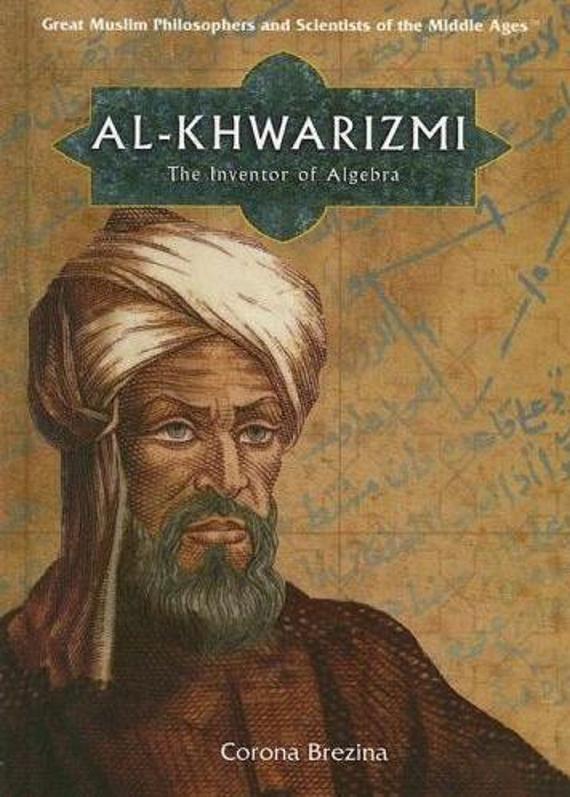
Mirzakhani was not a nuclear physicist. A breed apart, she was a world-renowned mathematician. Her accomplishments, as a result, assume entirely historical proportions comparable to other Iranian and Muslim scientists at the historical level of Muhammad ibn Musa al-Khwarizmi, Muhammad ibn Zakariyya al-Razi, and above all to Omar Khayyam, the towering astronomer and mathematician.


Mirzakhani's uplifting of her homeland to its historical memories alerts the world to a whole different register of consciousness about Iran as a Muslim a country in circumstances that, because of pervasive Islamophobia in the US, even Rumi is read as if he were a New Age guru from California.


Mirzakhani is comparable to Omar Khayyam not just because they were both Iranian mathematicians. But because like Khayyam, Mirzakhani too complicates the vision of their common homeland in the European and now American imagination in unpredictable ways.
The reputation of Omar Khayyam as a poet, however, widely outshines his fame as a mathematician. But the difference is only on the surface. The beauty of Khayyam's mathematical mind, it now seems, had to be translated, as it were, into poetic scepticism to be registered for mortal beings, whereas Maryam Mirzakhani's poetry was and remained in pure mathematics.


**
The mathematician, poet, painter


On another occasion, she said: "Of course, the most rewarding part is the 'Aha' moment, the excitement of discovery and enjoyment of understanding something new - the feeling of being on top of a hill and having a clear view. But most of the time, doing mathematics for me is like being on a long hike with no trail and no end in sight". That is the mind of a mathematician in the soul of a poet. That is Khayyam incarnate.


Mirzakhani's mathematical equations were her poetry - a poetry only a happy few can decipher to their delight. The world at large is baffled at the beauty of that poetry. Thus, the other more recent kindred soul of Mirzakhani was, of course, the Indian mathematician Srinivasa Ramanujan (1887-1920) who died even younger than her.


The famous story narrated by Ramanujan's English colleague, the prominent mathematician GH Hardy, is now known as "Hardy-Ramanujan number 1729". According to Hardy, he was once going to see Ramanujan when he was bedridden. Hardy had just ridden in a cab number 1729 and upon arrival, he remarked to his friend that the number seemed to be quite dull and that he hoped it was not an unfavourable omen. "No", Ramanujan replied: "It is a very interesting number. It is the smallest number expressible as the sum of two cubes in two different ways". The two different ways are:


1729 = 13+123 = 93+103.


Now, that is pure poetry - for what is poetry other than a truth so obviously beautiful that mortals cannot see it. The joyous eyes of Maryam Mirzakhani's little daughter could see what her mother's beautiful mind knew with mathematical precision: "At the family's home, near Stanford University," Roberts tells us in her essay on the Iranian mathematician, "Mirzakhani would spend hours on the floor with supersized canvases of paper, sketching out ideas, drawing diagrams and formulae, often leading Anahita, now six, to exclaim, 'Oh, Mommy is painting again!"


Hamid Dabashi

aljazeera 

Saturday, February 7, 2015

Khayyam


Al-Biruni died in the same year that a boy was born to a Persian tentmaker. The Farsi word for tentmaker is khayyám; the tentmaker named his son, Omar.

It is probable that as a child he studied the Koran. He would have learned to recite its verses aloud, for tradition holds that the scripture is akin to a chant, which is why the angel Gabriel chose to speak its words to the illiterate Muhammad. Perhaps the boy recited such a verse as, ‘Most surely in the creation of the heavens and the earth, and the alteration of the night and the day, there are signs for men who understand.’

Many other books, on many subjects, must also have passed through his hands: books on geometry and the movement of the stars, books on arithmetic and music. He learned many of the pages by heart. It is likely that he also read or heard of Al-Biruni’s compendium of calendars, and smiled at Al-Tabari’s apocalyptic prediction. From long years of cloistered study, indifferent to the company of other people, he earned the bookish reputation of a ‘bad character’.

When he was not reading books, he wrote them. A gifted poet, he was better known in his day as a talented mathematician. ‘The notion that one could use geometric constructions for certain types of algebraic problems was certainly recognised by Euclid and Archimedes,’ writes the mathematician Ramesh Gangolli, ‘but before Omar Khayyam’s construction, only simple types of equations . . . were thought to be amenable to the geometric method . . . Khayyám opened the door to the study of the more general question: What kind of algebraic problems can be represented and solved successfully in this manner?’

The young Persian’s receptivity to inspiration must have been immense. When the sunlight shone through the latticework windows of his study, it danced upon the walls in geometrical shapes. Khayyám’s pen traced rubai (poems) of four short rhyming lines, tight as theorems, writing the words from right to left. Some say he composed only sixty such poems; others, six hundred. He also wrote a commentary on Euclid’s Elements that Gangolli tells us explained ‘in more detail many aspects that were left implicit and clarified many misconceptions about the structure of axiomatic systems.’


Polyvalent talent like his is rare in any age. It likely led to jealousies, snide comments, upturned noses from certain quarters among his fellow countrymen.

Saturday, August 2, 2014

Math and Islamic History


In his work on algebra, al-Khwarizmi worked with both what we now call linear equations – that is, equations that involve only units without any squared figures – and quadratic equations, which involve squares and square roots. His advance was to reduce every equation to its simplest possible form by a combination of two processes: al-jabr and al-muqabala.

Al-jabr means ‘completion’ or ‘restoration’ and involves simply taking away all negative terms. Using modern symbols, al-jabr means simplifying. Al-muqabala means ‘balancing’, and involves reducing all the postive terms to their simplest form. 


In developing algebra, al-Khwarizmi built on the work of early mathematicians from India, such as Brahmagupta, and from the Greeks such as Euclid, but it was al-Khwarizmi who turned it into a simple, all-embracing system, which is why he is dubbed the ‘father of algebra’. The very word algebra comes from the title of his book, al-Kitab al-mukhtasar fi hisab al-jabr wa’l muqabala or The Compendious Book on Calculating by Completion and Balancing.


***

Beyond al-Khwarizmi, many other Arabic-speaking scholars explored mathematics. Indeed, it was fundamental to so many things, from calculating tax and inheritance to working out the direction of Mecca, that it is hard to find a scholar who did not at some time or other work in mathematics. But it wasn’t just practical applications that fascinated many of them, and they began to push mathematics to its limits.

In the early 11th century in Cairo, Hassan ibn al-Haitham, for instance, laid many of the foundations for integral calculus, which is used for calculating areas and volumes. Half a century later, the brilliant poet/mathematician Omar Khayyam found solutions to all thirteen possible kinds of cubic equations – that is, equations in which numbers are cubed. He regretted that his solutions could only be worked out geometrically rather than algebraically. ‘We have tried to work these roots by algebra, but we have failed’, he says ruefully. ‘It may be, however, that men who come after us will succeed.’


***

Omar Khayyam is one of the most extraordinary figures in Islamic science, and tales of his mathematical brilliance abound. In 1079, for instance, he calculated the length of the year to 365.24219858156 days. That means that he was out by less than the sixth decimal place – fractions of a second – from the figure we have today of 365.242190, derived with the aid of radio telescopes and atomic clocks. And in a highly theatrical demonstration involving candles and globes, he is said to have proved to an audience that included the Sufi theologian al-Ghazali that the earth rotates on its axis.

***

Trigonometry was first developed in ancient Greece, but it was in early Islam that it became an entire branch of mathematics, as it was aligned to astronomy in the service of faith. Astronomical trigonometry was used to help determine the qibla, the direction of the Ka’bah in Mecca. Modern historians such as David King have discovered that the Ka’bah itself is astronomically inclined. On one side it points towards Canopus, the brightest star in the southern sky. The axis that is perpendicular to its longest side points towards midsummer sunrise.

Mecca’s significance is such that when a deceased person is to be buried, contemporary Islamic tradition determines that his or her body must face Mecca. When the famous call to prayer is announced, it must be done facing Mecca. And when animals are slaughtered, slaughtermen must also turn in the direction of the holy city. Islamic-era astronomers began to compute the direction of Mecca from different cities from around the 9th century. One of the earliest known examples of the use of trigonometry (sines, cosines and tangents) for locating Mecca can be found in the work of the mathematician al-Battani, which, according to David King, was in use until the 19th century.


Monday, August 19, 2013

Ömer Hayyam Örneğinden Hareketle Tarih Mühendisliği ve Batı


İlginçtir ki Ömer Hayyam, Tanzimat'ın kudretli edebiyatçıları ve meşhur Osmanlı şairleri tarafından bilinmez veya hatırlanmaz. Daha ilginci ise onun 19. asırda İranlılar tarafından da bilinmemesidir. Abdullah Cevdet, Hayyam'ın İran'da bilinmediğini, meşhur oryantalist Brown'dan öğrenir ve çok üzülür. Brown'un anlattığı bir hatıraya göre, İran Şahı Muzaffereddin Şah Londra'da iken, Hayyam hayranları, bu “büyük” şairin Nişabur'daki mezarı üzerine bir “türbe” yaptırmak için Şah'tan izin isterler. İran şahı bu isteği anlayamaz, “yanındaki vezir-i azama” döner ve “Bu Ömer Hayyam da ne nesnedir ağa?” diye sorar. Yani İran şahı ve vezirinin Ömer Hayyam adlı bir şairden haberi yoktur.
Hayyam'ın tarih sahnesine çıkış hikâyesinin başkahramanı, İngiliz şair Edward Fitz-Gerald (1809-1883)'dır. Hikâye, Fitzgerald'ın Oxford'daki Bodleian kütüphanesinde Farsça bir yazmayı bulmasıyla başlar. Batı'nın bütün dinleri birleştirerek yok etmek veya beşerileştirmek istediği bir dönemde, “şans eseri” olarak İngiltere'de onların istediği türden, yani dini alaya alan güya bir “İslam” şairinin yazma eserine rastlanır. Yazmada 158 rubai vardır ve rubailerin şairi Ömer Hayyam adlı birisidir. Bu şair, şiirlerinde dinsizliği ve ayyaşlığı yüceltmekte, dinleri ve dindarları aşağılamakta, Yaratıcı ile alay etmektedir. Ateizm ve deizmin altın çağını yaşadığı, kendisine tarihi kökler aradığı ve “bulduğu” bir dönemde, bir İngiliz, Hayyam'ı, yani dinsizliğin veya deizmin tarihi bir “kök”ünü keşfetmiştir.
TARİH MÜHENDİSLİĞİ VE BATI
Fitzgerald'dan sonra Hayyam'ın güya asırlarca “unutulmuş” olan rubaileri, ilginç bir şekilde, birbiri ardınca ortaya çıkmaya başlar. Kısa sürede Hayyam'ın rubailerinin sayısı bini geçer. Birçok kişinin Hayyam gibi veya Hayyam adına şiirler yazdığı ortaya çıkar. Yahya Kemal bir rubaisinde Hayyam'a izafe edilen rubailerin farklı yetenekte insanlar tarafından kaleme alındığını ifade eder. Hayyam gibi şiirler yazan ve Edebiyat-ı Ömeri'yi teşekkül ettiren kişilerin, ilk defa Oxford'da ortaya çıkan 158 rubaiyi ve diğerlerini yazmadıklarına dair elimizde hiçbir kat'i delil yoktur.
Batılılar, Ömer Hayyam'ı, Doğululara tanıtmak ve kabul ettirmek için “bilimsel” çalışmaların yanında, komik senaryolar da yazmışlar ve bu senaryoların gerektirdiği rolleri ciddiyetle oynamışlardır. Meselâ 1892 yılında Londra'da “Omar Hayyam's Clup”ı kurmuşlardır. Bu topluluk Hayyam'ı Doğu'da neşet etmiş bir “peygamber” gibi görmüş, onun için “ayinler” yapmış, Nişabur'da ona bir “türbe” yaptırmak istemiştir. Birkaç yıl sonra Londra'daki bu Hayyam tiyatrosu, görevini hakkıyla ifa etmiş olmanın huzuruyla dağılmış olmalıdır. Zira bütün bu faaliyetlerin sonunda Hayyam, tarihe bağlanmıştır. Artık, Hayyam, 12. asırdaki İslâm âlimlerinin, İslâm'ın yasakladığı şeylere karşı hoşgörülü bir gaflet içinde oldukları “tez”ini destekleyen bir şahsiyet olarak İslâm tarihindeki yerini almıştır. Batılılar, Hayyam gibi dâhî, mübahi, her türlü günaha karşı hoşgörülü başka şahsiyetleri de “bulurlar”, onları “Reform”un, hümanizmin, deizmin vs. öncüleri olarak kabul ederler ve onları meşhur ederler. Bütün bu İslam dâhîlerinin İslâm dışı (tevhit anlayışıyla çelişen) fikirlerinin mevcut İslam toplumlarında hemen hiçbir izi ve karşılığı yoktur. Batı'yı etkileyen fakat kendi toplumlarına hemen hiçbir etkisi olmayan “İslam büyükleri”dir bunlar. Burada çalışkan fakat beceriksiz bir tarih mühendisliği söz konusudur. Ama bunu ifşa edecek âlimler hâlâ yetiştirilememiştir. Yerli ve yabancı oryantalistler, Hayyam'ın sufi, veli, hakîm, ârif, huccetülhak vs. olduğunu, 20. asrın başında hızlıca buldukları veya uydurdukları kaynaklar vasıtasıyla okuyucuya kabul ettirmek istemişlerdir. Hâlbuki bu nevzuhur kaynakların Hayyam'ı tarihe bağlamak, onu doğrudan veya dolaylı olarak methetmek, gerçek Müslümanları da tahkir etmek için yazıldıkları çok açıktır.
Hayyam'ı bulan ve dünyaya tanıtan zihniyet, ona ve fikirlerine dini bir kıyafet giydirmek istemiştir. Bu komik gayret, günümüzde de devam etmektedir. Kimi akademisyenler Hayyam'ın şiirlerinde dinî ve irfanî bir sembolizm bulmaya çabalamaktadırlar. Bu çaba, safi niyetli okuyucuları aldatmaktadır. Hayranlık uyandıran bir sahtekârlıktır bu. Hâlbuki bu yazar ve akademisyenlerin “bazıları”, oryantalizmin İslâm tarih ve edebiyatlarını tahrif etmek için 19. asırda yaptığı kültürel ve entelektüel “yatırım”ın koruyucusu ve kollayıcısı durumundadırlar. Koruyucu ve kollayıcılar, “saygın”, “etkili”, “donanımlı” ve “meşhur” olmak zorundadırlar. Hayyam vakasını doğru tahlil edebilmek için onu Türk toplumuna tanıtan yazarların kimlikleri üzerinde düşünmek gerekir. Hayyam'ı 19. asrın sonundan itibaren Türk toplumuna tanıtma görevini üstlenen yazarlar, Muallim Ahmet Feyzi Efendi, Abdullah Cevdet, Hüseyin Daniş, Hüseyin Rifat, Filozof Rıza Tevfik, Abdülbaki Gölpınarlı, Sabahattin Eyüpoğlu gibi Batıcı, ateist, Zerdüştperest, bohem veya çokkimlikli yazarlardır.
Mehmet Coskun