Showing posts with label okumak. Show all posts

Saturday, March 13, 2021

Best Selling Books in Japan


The number one–selling book was a manual for how to argue with Koreans (whether in Japan or South Korea—I can’t speak for North Korea) who don’t have nice things to say about Japan. Koreans keep moaning about the fact that Japan invaded Korea, enslaved their people, raped their women, forbade their language and culture, performed biological experiments on POWs, and kidnapped thousands of Koreans, shipping them off to Japan to work in sweatshops of industry. The thrust of the book is this: Tell those miserable Koreans to stop exaggerating and shut up.


The book has had one unexpected side effect: by disdaining Koreans’ complaints, it actually touches upon Japan’s less-than-noble history with Korea, which is something the Ministry of Education has worked hard to keep out of the public school system. Apparently, not knowing history means never having to say you’re sorry.


Number two on the best-seller list, Kabu no zeikin, was a manual for preparing your tax returns if you own or sell stocks. The popularity of this title, one assumes, is indicative of the significant flow of cash into and out of the Japanese stock market.


Number three was a manual for aspiring landlords. When land is scarce and housing is expensive, becoming a landlord is the high road to fortune and luxury. Japan, however, has very strong tenant rights embedded in the law that have been known to gum up the works. I assume that’s where the manual comes in, to keep that cash flowing. It was also a sign that the decadelong real estate slump might be coming to an end.

Number four was the perennially listed Perfect Manual of Suicide. The title is self-explanatory, to be taken literally. More on that later. 

Wednesday, December 23, 2020

Kids Use Reason, Adults Rationalize


Written by Cory Doctorow (LitHub)


My journey to becoming a YA writer started with my colleague and friend Kathe Koja, an incredibly talented and versatile writer who went from being one of the most celebrated authors of extremely graphic horror novels (the “splatterpunk” subgenre) to equal success as an author of spare, stripped-down, understated and devastating YA novels. Kathe came to speak to a Clarion SF Workshop class that I was teaching near her Michigan home and she talked about school visits: about meeting kids who wanted to discuss her work with her in light of their lived experience, to resolve the conflicts between the world as it seemed to them and the world as it appeared in her novels. Kathe explained that while adults tend to read to amuse and entertain themselves, kids read to figure out how the world works. I felt like I’d just had an anvil dropped on my head. In a good way.

The fantasy writer Steven Brust once told me, “Telling someone you think they wrote a bad book is like telling them they’ve got an ugly kid. Even if it’s true, it’s too late for them to do anything about it, and chances are they did everything they could to prevent that outcome anyway.”

While I think Brust has a point, I always make an exception for adolescents, on the basis of Kathe’s philosophy: kids don’t disagree with your books because they lack social skills—they disagree with them because they take them seriously.

My Little Brother books (Little Brother, 2008; and Homeland, 2013) tell stories that kids have grappled with seriously. They’ve been in print long enough that there are grown adults with real jobs who have approached me to tell me that they chose their current careers—human rights workers, cyber-lawyers, security researchers, programmers—because they read my novels that warned of the nightmare of technological oppression and dangled the possibility of technological liberation and they resolved to fight back the former and deliver the latter.

This is an awesome responsibility to bear, and a humbling honor.

Adolescents, after all, are capable of being first-class reasoners, but they can never have the context that comes with life experience. That’s why you get child prodigy mathematicians and chess-players—disciplines where you can start from a small, easily taught group of precepts and use your reason to build up towering edifices upon their foundations—but not child prodigy lawyers or historians or doctors (Doogie Howser is science fiction: fight me!). No matter how smart you are at 11 or 14 or 17, you just haven’t had enough time to do the reading to practice law.

Becoming an adult doesn’t merely mean acquiring the context for your reason to work upon, after all. It also means perfecting your ability to rationalize your way into one small compromise after another, accumulating a kind of ethical debt, one whose balance steadily mounts, making it harder to confront head on. If you have a debt that you don’t service, you will eventually default, and that’s what Masha, the (anti)hero of Attack Surface is going through.

We adults don’t merely read for entertainment, either. Today, the debt generated by stories we’ve told ourselves for a generation—stories about our helplessness before the climate emergency, mounting totalitarianism, out-of-control inequality—are headed for bankruptcy.

What kind of stories? The unitary hero story. The personal responsibility story. The ethical consumption story. The story that says that you can’t claim to care about climate change if you use plastic or fly in an airplane. The story that says you can’t claim to care about monopolies if you order from Amazon. The story that says you can’t claim to care about inequality if you have a 401(k). The story that says you can’t claim to care about human rights if you own things made in China.

In other words: the story that says that change comes from the heroic sacrifices and feats of individuals. The story that says that Naziism was defeated by Superman, an immortal golem created by a pair of Jewish kids horrified by the unfolding horror across the Atlantic—when they were really defeated by the largest collective action in human history.

The climate emergency demands a moonshot, but the moonshot wasn’t undertaken by science heroes working in their solitary labs: Neil Armstrong walked on the moon because of the collective, state-sponsored efforts of millions of people. If we hadn’t gotten to the Moon, the fault would have been with the system, not with Armstrong’s failure to build a rocket ship.

Today, we’re done with those stories and we’re in search of new ones: tales of moral reckoning, of new beginnings, of redemption.

Friday, July 5, 2019

Reader in the Team Bus

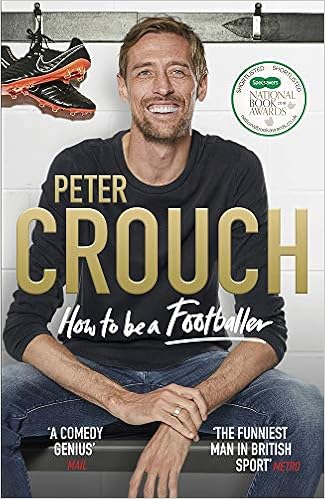
Image result for how to be a footballer

There’s a reader in every team. Jamie Carragher loved a footballer’s autobiography. Guardiola, Wenger, Maradona, Cruyff – he would work through a different one every week. Rob Green would not only read on the bus but would go to his local in Hampstead and read there too. He had his own mug behind the bar, would get them to make him a tea, and then sit by the fire reading. Classic goalkeeper’s move. I have no idea what he used to read when we were on England duty because I never got that far down the wrong end of the bus. Also I was too busy throwing stuff at him. We are 20- and 30-year-old men with kids. I know.

Friday, March 30, 2018

Aşk Romanları Okuyan İhtiyar


“Maymunları ve papağanları sattıktan sonra öğretmen hanım ona okulun kütüphanesini göstermişti.

Adam bu kadar fazla sayıda kitabı bir arada görünce duygulanmıştı. Öğretmen hanımın raflı bir dolaptan meydana gelen kütüphanesinde elli kadar kitap vardı. İhtiyar yeni satın aldığı büyütecin yardımıyla kitapları keyifle incelemeye koyulmuştu.

El Dorado'da geçirdiği beş ay Antonio José Bolívar'ın hem okuma tercihlerini şekillendirmiş hem de aklını birçok soru ve cevapla doldurmuştu.

Geometri kitaplarını gözden geçirirken okuma bilmenin sahiden değip değmediğini sorgulamış ve bu kitaplardan öğrendiği uzunca bir cümleyi keyifsiz anlarda tekrarlar olmuştu: “Bir dik üçgende dik açının karşısındaki kenara hipotenüs adı verilir.” Daha sonraları bu cümleyi duyan El Idilio sakinleri, bunun ya bir küfür ya bir tekerleme ya da geçerliliği su götürmez bir tövbe olduğunu zannedeceklerdi.

İhtiyar, tarih kitaplarının düpedüz yalanlarla dolu olduğunu düşünüyordu. Eldivenleri dirseklerine kadar çekili, cambazlar gibi daracık pantolonlar giyen bu soluk benizli beyefendiler nasıl olur da savaşlardan galip çıkarlardı? Adamcağızların karıncayı bile incitemeyeceklerini anlamak için rüzgârda dalgalanan bakımlı buklelerine bakmak yeterliydi. Böylelikle ihtiyar, tarihî kitaplardan hoşlanmadığına karar vermişti.

Edmondo De Amicis'in Çocuk Kalbi adlı kitabı adamı El Dorado'da kaldığı sürenin neredeyse yarısı boyunca meşgul etmişti. Olacak iş değildi. Ellerini kitaptan ayıramıyor, gözleri ne kadar yorulsa da okumaya devam ediyordu; ama bir akşam öyle çok gözyaşı dökmüştü ki bu kadar acı çekmenin mümkün olmadığını, bunca bahtsızlığın tek bir kişiye fazla geleceğini söylemişti kendi kendine. Küçük Lombardiyalı gibi zavallı bir yavrucağa böylesine acı çektirmekten zevk alabilecek biri, hergelenin önde gideni olmalıydı. Kütüphanedeki bütün kitapları gözden geçirdikten sonra asıl arzu ettiği kitabı nihayet bulmuştu.

Florence Barclay'nin “Tespih” adlı kitabı, baştan sona aşkla doluydu. Karakterler sevinçleriyle çilelerini öyle hoş harmanlıyorlardı, öyle güzel acı çekiyorlardı ki ihtiyarın büyüteci gözyaşlarıyla kaplanıyordu.

Öğretmen hanım Antonio José Bolívar'ın kitap tercihlerinden pek memnun olmasa da bu kitabı götürmesine izin vermiş ve ihtiyar El Idilio'ya dönünce penceresinin önünde kitabı belki yüz kez okumuştu; zamanın kendisinden bile daha uzun ömürlü aşkların mutlulukları ve eziyetleriyle dolsunlar diye bellek kuyularını açık bırakan Antonio José Bolívar Proano, Dişçi'nin getirdiği ve yüksek masasının üstünde imalı bir biçimde uzanmış halde onu bekleyen, hatırlamamayı tercih ettiği dağınık geçmişine yabancı kitapları da aynı iştahla okumaktaydı.”


Tuesday, March 20, 2018

Factual knowledge must precede skill


I defined thinking as combining information in new ways.The information can come from long-term memory—facts you’ve memorized—or from the environment.


**


Thinking well requires knowing facts, and that’s true not simply because you need something to think about.The very processes that teachers care about most—critical thinking processes such as reasoning and problem solving—are intimately intertwined with factual knowledge that is stored in long-term memory (not just found in the environment).


**


Critical thinking processes are tied to background knowledge. The conclusion from this work in cognitive science is straightforward: we must ensure that students acquire background knowledge parallel with practicing critical thinking skills.


**


The phenomenon of tying together separate pieces of information from the environment is called chunking. The advantage is obvious: you can keep more stuff in working memory if it can be chunked.


**


So factual knowledge in long-term memory allows chunking, and chunking increases space in working memory.


**


A number of studies have shown that people understand what they read much better if they already have some background knowledge about the subject. Part of the reason is chunking.


**


Background knowledge allows chunking, which makes more room in working memory, which makes it easier to relate ideas, and therefore to comprehend. 


Background knowledge also clarifies details that would otherwise be ambiguous and confusing.


**

It’s worth noting that some observers believe that this phenomenon—that knowledge makes you a good reader—is a factor in the fourth-grade slump. If you’re unfamiliar with that term, it refers to the fact that students from underprivileged homes often read at grade level through the third grade, but then suddenly in the fourth grade they fall behind, and with each successive year they fall even farther behind.The interpretation is that reading instruction through third grade focuses mostly on decoding—figuring out how to sound out words using the printed symbols—so that’s what reading tests emphasize. By the time the fourth grade rolls around, most students are good decoders, so reading tests start to emphasize comprehension. As described here, comprehension depends on background knowledge, and that’s where kids from privileged homes have an edge.They come to school with a bigger vocabulary and more knowledge about the world than underprivileged kids. And because knowing things makes it easier to learn new things (as described in the next section), the gap between privileged and underprivileged kids widens.

**


Books expose children to more facts and to a broader vocabulary than virtually any other activity, and persuasive data indicate that people who read for pleasure enjoy cognitive benefits throughout their lifetime. I don’t believe it is quite the case that any book is fine “as long as they’re reading.” Naturally, if a child has a history of resisting reading, I’d be happy if she picked up any book at all. But once she is over that hump, I’d start trying to nudge her toward books at the appropriate reading level. It’s rather obvious that a student doesn’t gain much from reading books several grades below her reading level. I’m all for reading for pleasure, but there are fun, fascinating books at every reading level, so why not encourage age-appropriate materials? It’s just as obvious that a too difficult book is a bad idea.The student won’t understand it and will just end up frustrated.The school librarian should be a tremendous resource and ally in helping children learn to love reading, and she is arguably the most important person in any school when it comes to reading.


Saturday, February 24, 2018

The New Illiterate


The illiterate of the future will not be the person who cannot read. It will be the person who does not know how to learn.

Alvin Toffler

Monday, December 25, 2017

Kitap Tutkusu


“Çoğunlukla bir kitaptan kurtulmak ona sahip olmaktan daha zordur. Kitaplar, sanki asla geri dönemeyeceğimiz bir anın tanıkları gibi, bir ihtiyaç ve unutkanlık anlaşmasıyla tutunurlar insana. Oysa orada kalmaya devam ettikleri sürece onları birbirlerine yamadığımızı zannederiz. Üstlerinde gün, ay ve yıl yazan sayısız kitap gördüm ben; gizli bir takvimi oluşturur her biri. Başkaları ise ödünç vermeden önce adlarını yazarlar ilk sayfaya, teslim edecekleri kişiyi defterlerine kaydedip bir de tarih atarlar yanına. Tıpkı kütüphanedekiler gibi damgalı kitaplar gördüm, yahut içlerine sahiplerinin kartları yerleştirilmiş olanlar. Kimse bir kitap kaybetmek istemez. Bir daha okumayacak olsak da başlığında eski, belki de kaybolmuş bir duyguyu taşıyan bir kitabı kaybetmektense bir yüzük, saat veya şemsiye kaybetmeyi yeğleriz.

Nihayetinde, kütüphanenin boyutu önemlidir. Bedbaht bahaneler ve sahte mütevazılıklarla sergilenirler gözler önüne, serilmiş devasa bir beyin misali. Sırf ziyaretçilerinin kütüphane raflarındaki kitaplara hayran hayran bakabilmeleri için mutfakta kahve hazırlama işini kasten uzatan bir filoloji profesörü tanıdım. Mevzunun tamamlandığını düşündüğü an elinde tepsi ve yüzünde tatminkâr bir gülümseme ile girerdi salona.

Biz okurlar, sadece eğlence amaçlı olsa bile, arkadaşlarımızın kütüphanesini gözleriz. Bazen sahip olmadığımız ama okumak istediğimiz bir kitabı bulmak için yaparız bunu, bazense karşımızdaki hayvanın ne ile beslendiğini öğrenmek için. Bir meslektaşımızla salonda otururken odadan şöyle bir çıkar ve döndüğümüzde onu kitaplarımızı koklarken buluruz.”

Kitap Sayfalarındaki Patikalar


“Bana Carlos’un iki aydır 19. yüzyıl Fransız yazarlarını mum ışığında okumak gibi bir alışkanlık edindiğini söylemişlerdi; bunun için gümüş bir şamdan kullanıyordu. Bir süre önce bu konuyu konuşmuştuk, çünkü ben de Goethe’yi Wagner operası dinleyerek ya da Baudelaire’i Debussy eşliğinde okumayı severim. Bu, yolculuğun bir parçasıdır ve sizi temin ederim alınan haz, her anlamda, en üst düzeydedir. Belki alçak sesle bir şey okurken harfleri algılanamaz bir frekansta yaydığımızın farkındasınızdır. Oysa sesi susturmuyoruz. Ses orada, kısık ama mevcut; asla namevcut değil. Bir enstrümanın partisyonu gibi takip eder hattı ve sizi temin ederim, görme duyusu kadar temeldir. Bu, bir tim, kelimeleri ve cümleleri saran bir melodi yaratır, haliyle de buna bir de çok yüksek sesli olmayan bir müzik eklendiğinde kulak zarının derinliklerinde, konuşmacıların ve kendi sesinizin arasında ahenkli bir kontrpuan oluşur. Belli bir desibeli geçerse şayet, müzik bireyin sesini örter ve metnin sesini öldürür. Sadece bununla da kalmaz, okuru üçkâğıda da getirir. İyi bir konserin eşlik ettiği kötü bir nesir, olduğundan çok daha iyi tınlayabilir.

Elektriğin icadından önce yazılan eserleri mum ışığında okumanın esprisini yapardık. Gereksiz bir antikalık gibi gelebilir kulağa, fakat bir yağlıboya resme mum ışığında baktığınızda, ne kadar iyi aydınlatılırsa aydınlatılsın, resmin normalde olduğundan çok daha farklı bir hal aldığını görürsünüz. Pigmentlerden yansıyan ışıkla, yağla ve resmin bulunduğu odayla bir ilgisi olmasa da baktığınız tablonun yeni bir tabloya dönüştüğünü, gölgelerin hayat bulduğunu söyleyebilirim. Boşluklar genişler ve kişi ortaya çıkan bu yeni boyutun içine girer.

Kimi kitaplarda da benzer bir durum oluşur çünkü bir sayfa da aslında çetin bir çizimdir. Kendi ritim ve kompozisyon kuralları dâhilinde ünlü harflerden ünsüzlere doğru akarak, seçilen fonta, kenar boşluğuna, kullanılan kâğıdın kalınlığına, sayfa numaraları sağda veya ortada oluşuna göre ve bunlar gibi sonsuz ayrıntı sonucu ortaya çıkan küçük figürlerin ve satırların oyunuyla harika bir nesne meydana gelir. Baskı ne kadar yeni ve kâğıt ne kadar beyaz olursa olsun, mum ışığında, ona muazzam bir albeniyle değer ve nüans katan bir bakır küfüne boyanır sayfa. Ve patikalar nasıl da bir hazza dönüşür ama...”

“Ne patikası?” diye sordum, huzursuzca; doğru duyup duymadığımdan emin değildim.

“Bakın, bu eski bir tartışma konusudur. Kimse asıl olay yazarın yeteneğinde mi yoksa baskının güzelliğinde mi, tam emin olamaz. Farklı görüşler vardır fakat pek çok okurun kitabın iyi ve okunmaya değer olup olmadığını anlaması için patikalara bakması yeterlidir.”

Delgado kütüphanesine gitti ve Eugénie Grandet’nin eski bir baskısını alıp bana verdi. Benden kitabı açmamı ve herhangi bir sayfada, kelimelerin arasında yatay ya da dikey yollar bulmamı istedi. İşin aslı satır satır uzayan, paragraflarla kesişen, zaman zaman yanda kesilen ve soldan sağa, sağdan sola ya da serbest düşüş şeklinde çapraz bir gidişat tutturan uzun yollar buldum.

“Cümle diziliminde belli bir ritmi olmayan bir yazar bunu başaramaz. Şayet tek bir cümlede dörtten fazla hecesi olan iki ya da üç sözcükle dili bozarsa, yolu ve muhakkak ki ritmi de bozmuş olur. Sayfada o yolu arar durursunuz ama bulamazsınız. Fazla ufak ya da fazla büyük, özensiz bir baskı gözün, gizliden gizliye diyelim, takip ettiği bu figürleri de bozar.

Brauer bunun yazara, daha doğrusu onun üslubuna, hiyerarşisine bağlı olduğunu düşünmeye meyilliydi fakat ben bundan pek emin değilim.”

Patikaların her sayfada yinelendiğini ve tuhaf figürler oluşturduğunu gördükten sonra etkilenmiş bir şekilde kitabı ona verdim.”